
The hamlets of Bolton
In the 18th and early 19th centuries, the presence of a watercourse was the trigger for the creation of a hamlet, as water power was the only way to build a mill to cut wood and grind grain into flour (Wagner, Les hameaux d'Austin).
Knowlton Landing, on the northeastern edge of Potton Township, on the shores of Lake Memphremagog, was one of the first hamlets whose activities were linked to those of Bolton Township, even though it is on the southeastern edge of Bolton. A mill was built here, as well as a brickyard and, above all, a wharf for the ferry to Georgeville on the opposite shore of the lake.
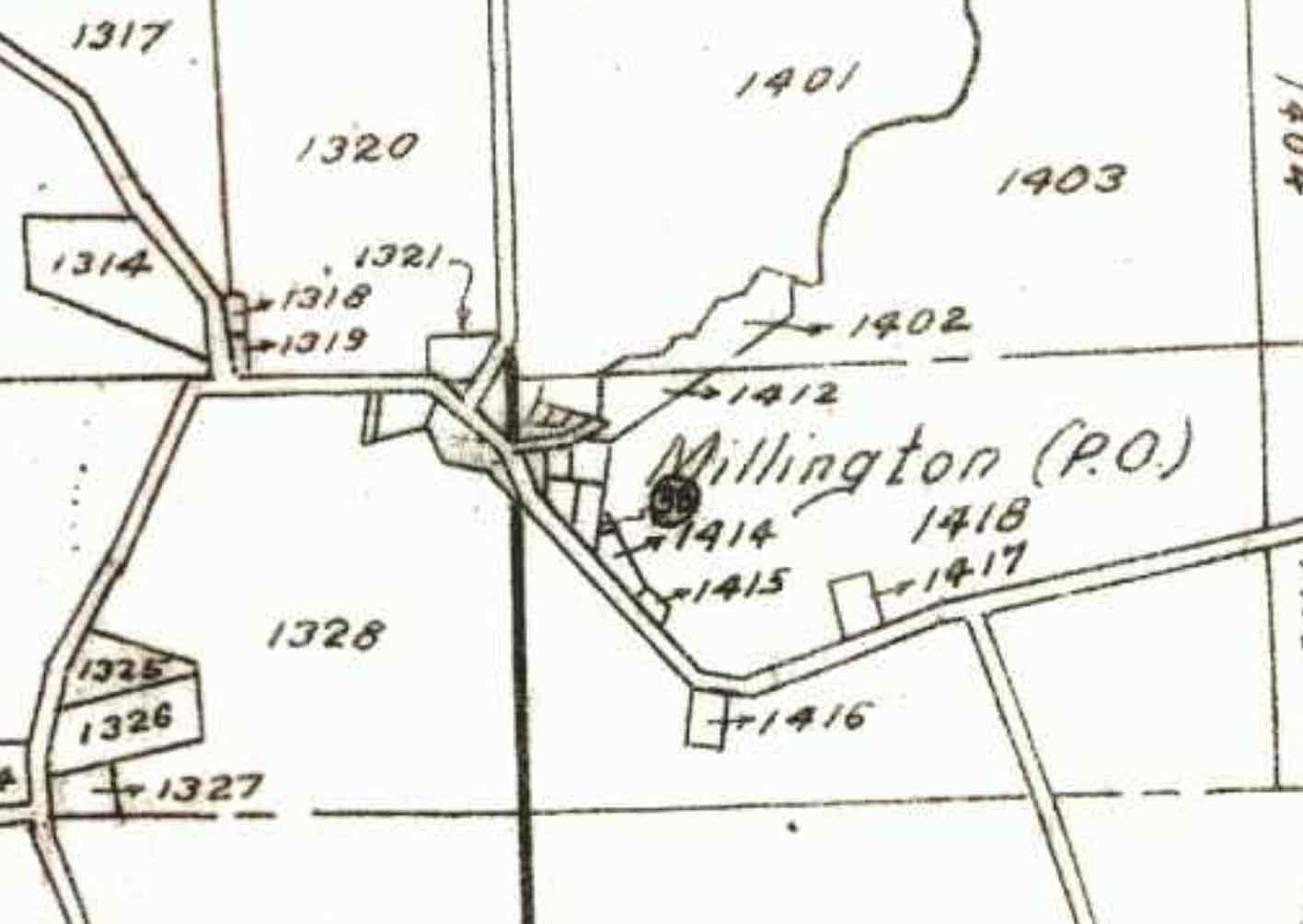 Carte cadastrale de Millington en 1887
Millington was also one of the first hamlets, thanks to Powell Creek, whose flow was sufficient to operate mills. This was an important hamlet in its day. It was located fairly far upstream from the lake, so another, smaller hamlet was created at the mouth of Sargeant Bay and Powell Creek.
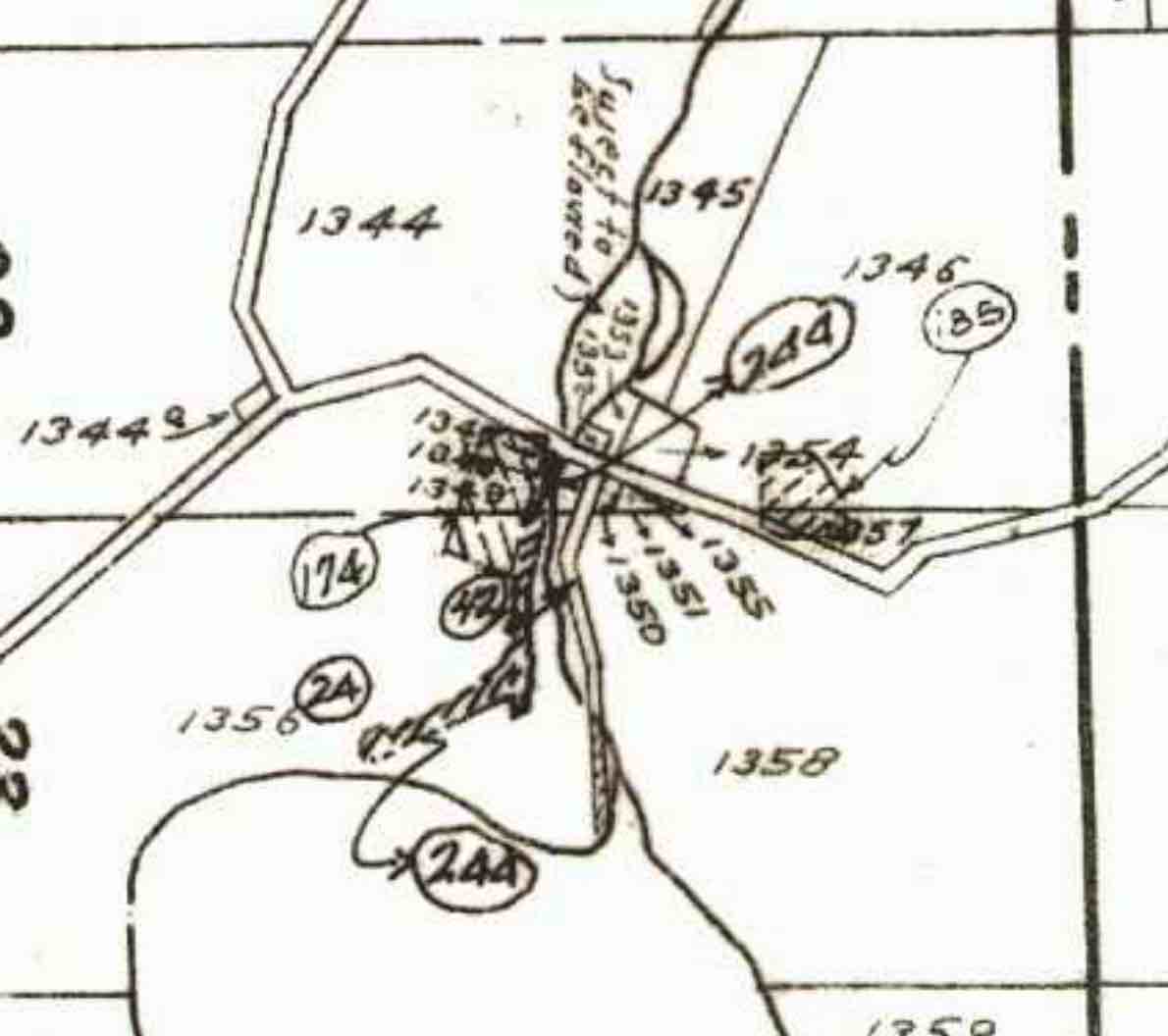 Carte cadastrale de Head of the Bay en 1997
This place was called Head of the Bay. This hamlet was also called Bay Head. It became famous for its smelt fishing (Wagner, Powell Creek). Bay Head even had a landing for seasonal travelers. This function lasted only a short time at this location, as traffic was quickly absorbed by Bryant Wharf and especially Knowlton Landing, which served passenger traffic between Boston, Magog and Montreal. Although the hamlet has completely disappeared, the cadastral map shows that many people had settled here by the 19th century.
As early as 1795, Nicholas Austin had built some rather basic mills at the outlet of Lake Memphremagog, on the Magog River. Almost immediately, he sold them, along with thousands of acres of land, to Ralph Merry, who created the Outlet a rapidly growing hamlet that would become the town of Magog. Nicholas Austin failed to grasp the potential of this location and returned to Pointe Gibraltar. The site chosen by Nicholas Austin never became a hamlet, especially as most of his property was later sold to pay off his debts. In 1871, Albert Furniss, a Montreal businessman, assembled some 1,000 acres of land on this site, which became known as Furniss Mill. After his death, a group of Montreal businessmen set about creating a subdivision with a hotel and mill. But their financial problems meant that the project had to be abandoned. Cap Gibraltar fell through. By 1892, when the first Benedictine monk visited the site, nothing remained. It was here that the Abbaye de Saint-Benoît-du-lac will be built.
Curiously, Millington and Head of the Bay will disappear altogether. They seem to have been replaced,
Cadastral map of Peasley in 1887 by Peasley's Corner, which is located nearby, at the intersection of roads leading to these two locations, but especially to Magog and Bolton Centre (chemin Nicholas Austin). It also leads to Pointe Gibraltar, where Nicholas Austin settled. Peasley's Corner, the current village of the Municipality of Austin, was for a time called East Bolton until the creation of the Municipality of Austin around 1938. However, there is no stream large enough to support a mill.
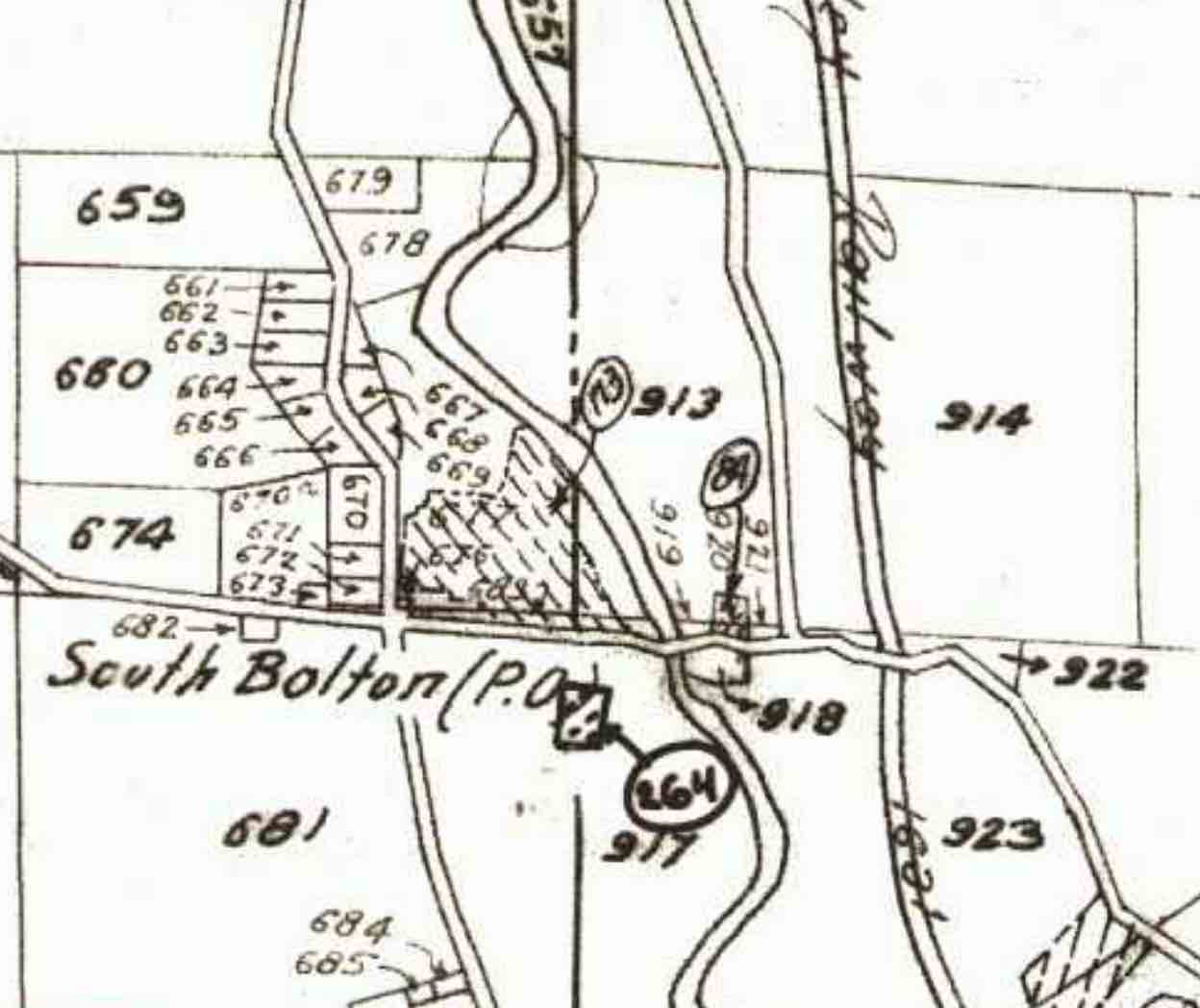 Carte cadastrale de South Bolton en 1887
South Bolton and Bolton Centre became important hamlets in the municipality of East Bolton, thanks to the Missisquoi River, whose flow made milling possible. South Bolton was also located on the stagecoach route between Montreal (via Cowansville) and Geogeville and Boston.
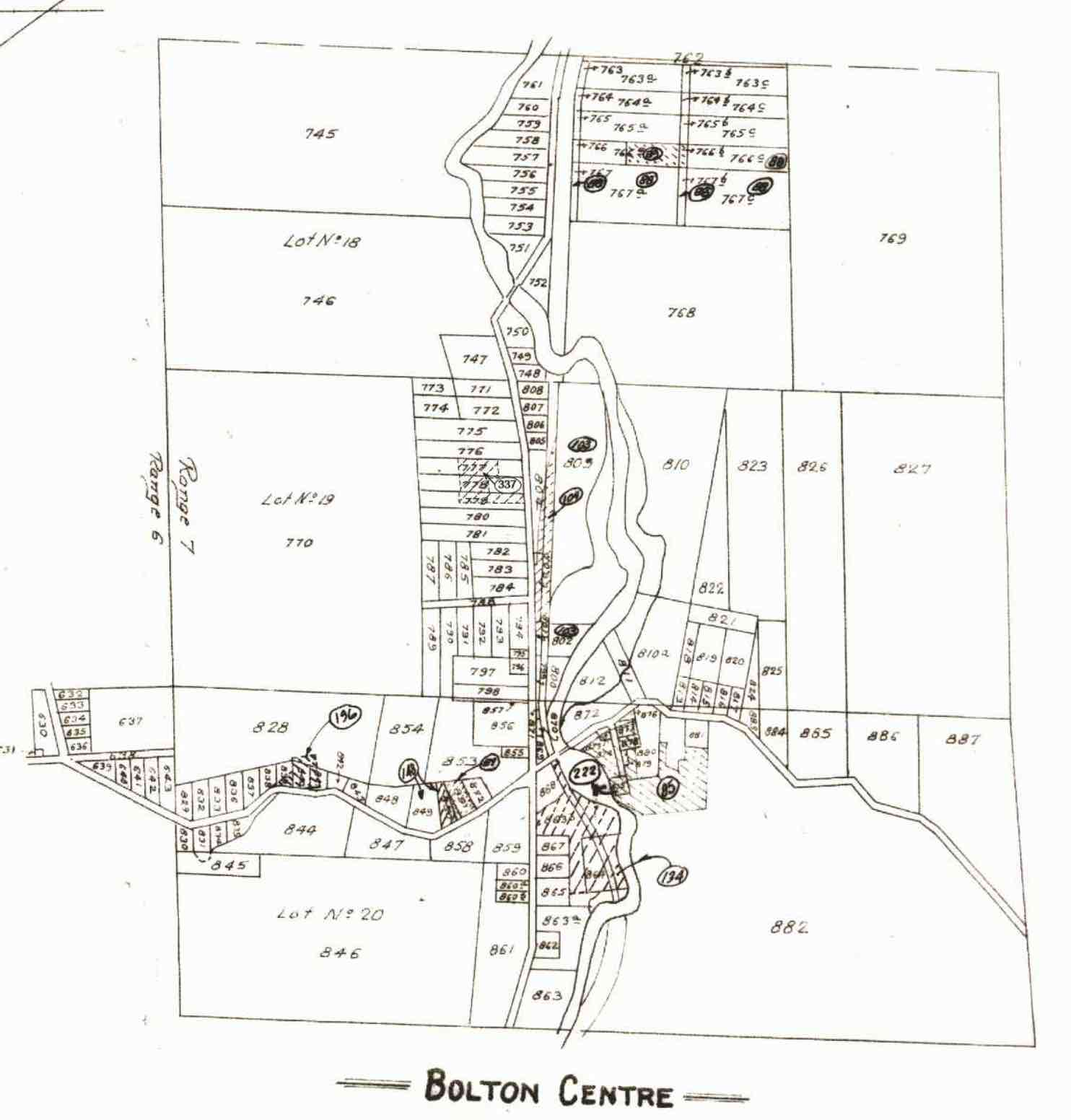 Carte cadastrale de Bolton Centre en 1887
It was unclear which hamlet would become the township village. Because of the mining activity that developed further north, and especially with the development of a large mining hamlet, Dillonton, the town hall of the municipality of East-Bolton was built in Bolton Centre. This explains the origin of its name. The cadastral map shows the importance of this village at the time.
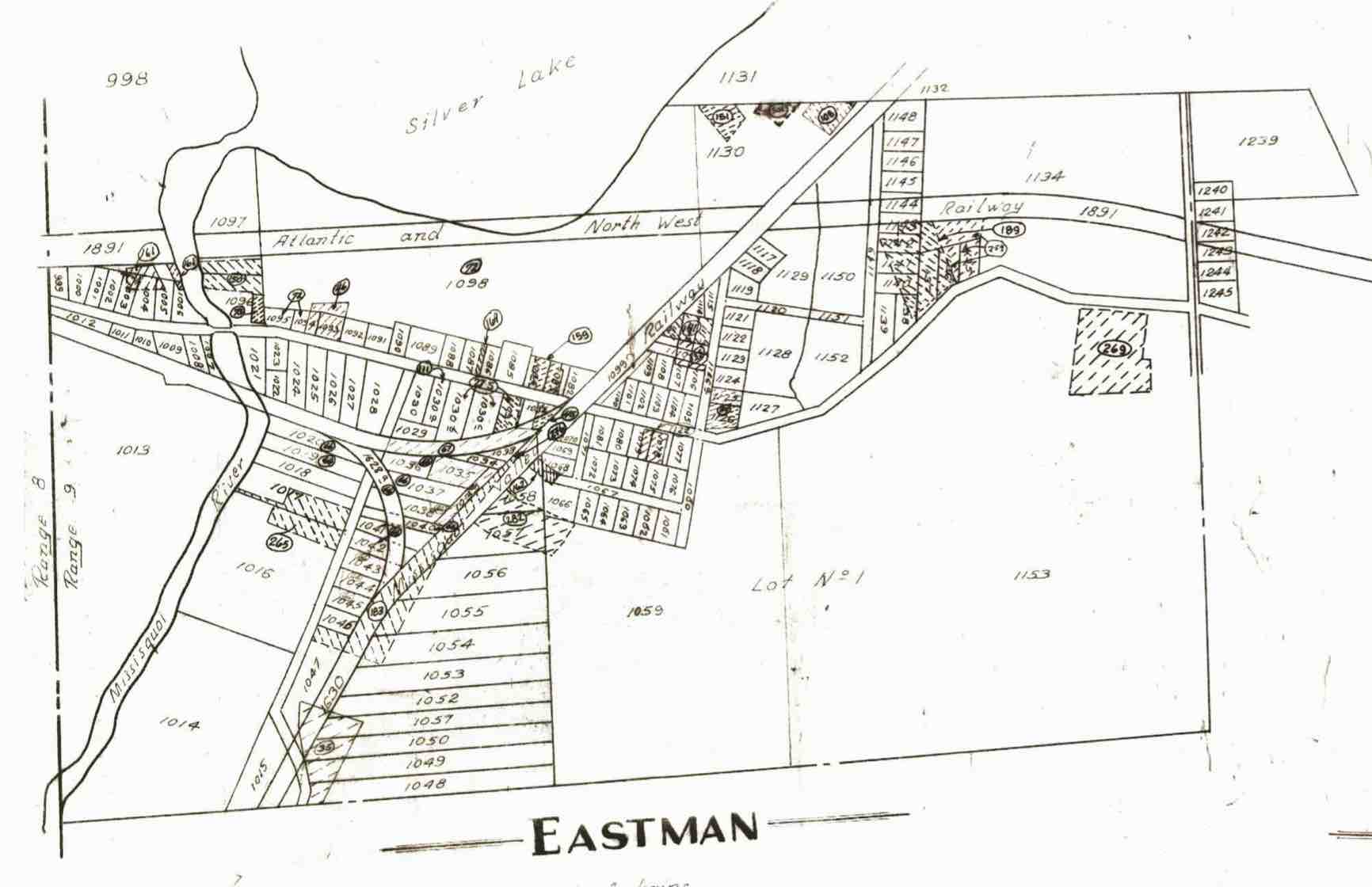 Carte cadastrale de Eastman en 1887Bolton Forest, also a hamlet created early in the settlement of Bolton Township, is today only part of the municipality of Eastman and not part of its village. The village of Eastman began as the hamlet of Digman's Flats, named after the man who operated a mill there. The hamlet grew rapidly.
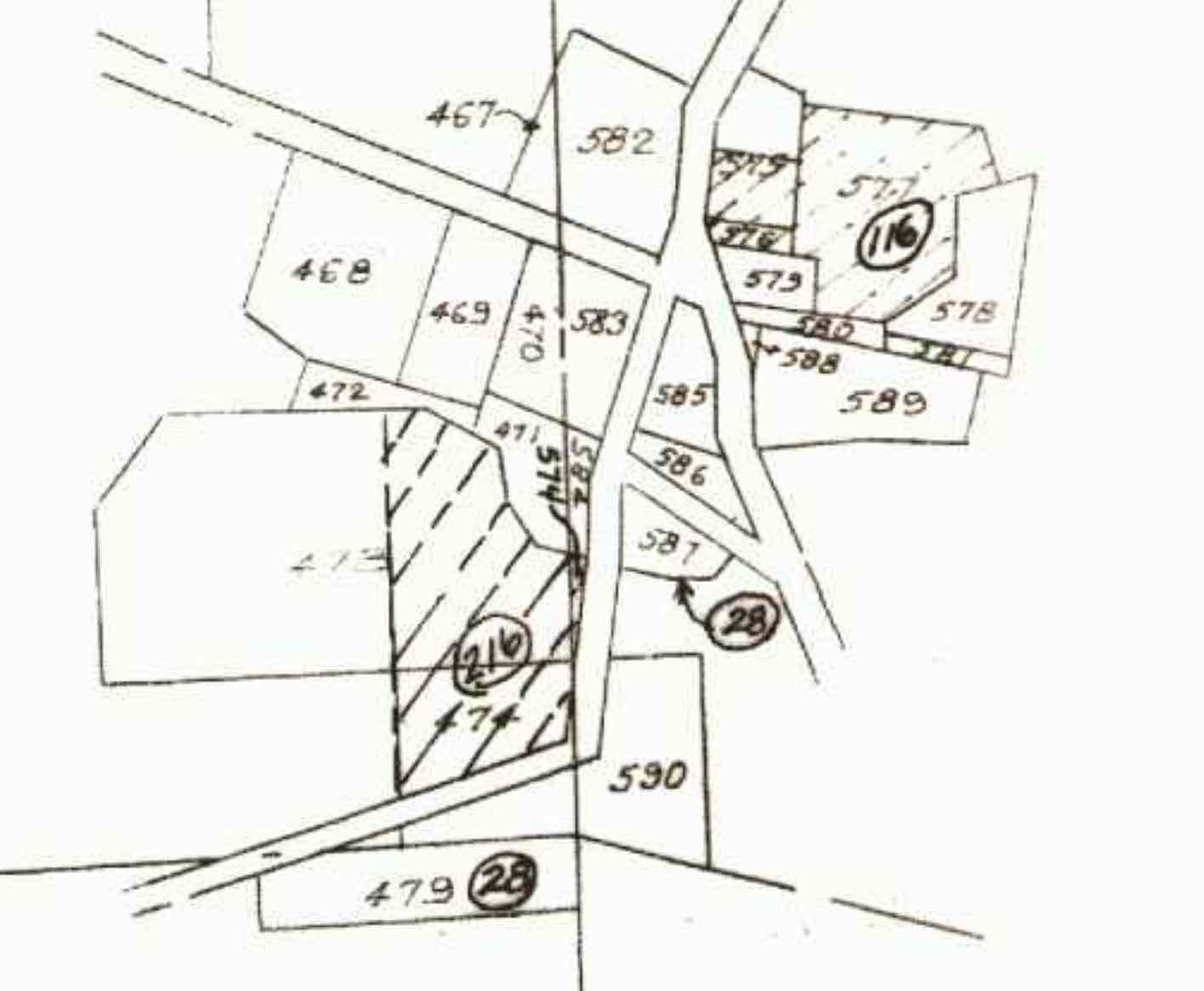 Carte cadastrale de Saint-Étienne en 1887
Grass Pond, the origin of the village in the municipality of Saint-Étienne de Bolton?
West-Bolton, essentially agricultural, had no significant hamlets, except perhaps Bolton Glen?